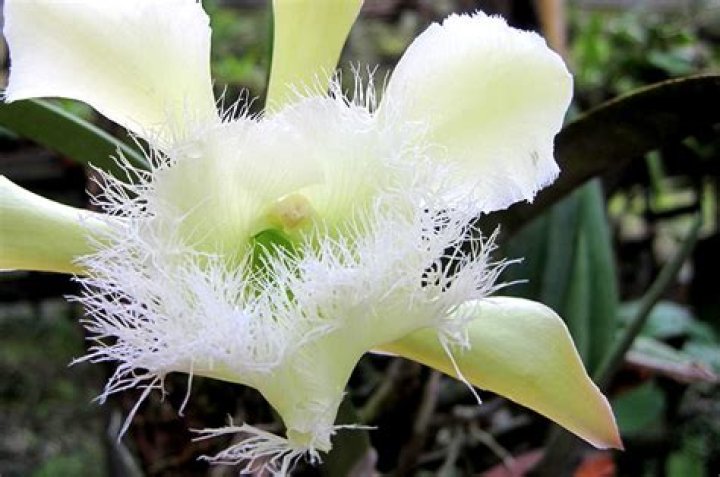
orchid pots home depot

Andrew Walker
Updated on June 13, 2026
An orchid should ideally live and grow in a plastic or terra-cotta grow pot. “Pots for growing orchids must have drainage holes or slits in the container to ensure your plant doesn’t get soggy, wet feet,” says Turner.
Do orchids need special pots?
Slatted wooden boxes are also sold as orchid containers. However, you don’t need to spend a fortune on specialized containers for orchid plants. Any pot with good drainage can house an orchid plant. When growing orchids in containers, be sure to select pots with 4 to 12 drainage holes.
Do orchids like small or large pots?
Most orchids require a 4, 5 or 6 inch pot. There are seedlings and miniatures that require smaller pots, older specimen plants and some genera (Cymbidium, Phaius, large Cattleya) that often require 8 inch pots or bigger but the majority of orchids sold in groceries, box stores, florists and the like are not these.
Should orchids be in clear plastic pots?
Undoubtedly, clear plastic pots are better for your orchids, so if you don’t mind the look of them, just keep your orchid as it came. You can also compromise and place the plastic pot inside a nice planter to boost the look of your indoor plant ideas while the orchid is in bloom and not producing fresh roots.
When should an orchid be repotted?
Orchids should be repotted when new; every year or two; or when crowded roots push up and out of the pot. Spring: time for a close-up. Other than watering and occasionally fertilizing them, you probably don’t look closely at your orchids all that often when they’re not in bloom.
Should orchid roots be exposed?
What to Do With Orchid Roots? If the orchid air roots are firm and white, they are healthy and you don’t need to do anything at all. Just accept that this is normal behavior. According to orchid experts, you should definitely not remove the roots.
Should I repot my orchid after buying?
A good rule of thumb is to repot a new orchid as soon as practical after it is purchased. Usually this means when it goes out of bloom. Orchids need to be repotted before their media breaks down and smothers the roots.
Do orchid pots need drainage holes?
Be mindful of the difference in watering that is required for your orchid if you change from a plastic pot to a clay pot. All pots must have drainage holes; roots that continuously touch water will rot and die which will eventually kill the plant as well.
Can I cut the air roots off my orchid?
Can orchid air roots be trimmed? Orchid air roots shouldn’t be trimmed as they are part of the system the plant uses to absorb nutrients and water. Trimming the aerial roots could cause the plant to struggle or even die due to disease or inability to absorb sufficient water and nutrients.
How often should orchids be watered?
How often you water an orchid depends on the species and the environment they’re kept in, but, on average, most orchids can be watered once a week to every 10 days. Just be careful not to oversaturate them. “In general, orchid plants need much less water than the average consumer would think.
How do I keep my orchid blooming?
5 Ways to Keep Your Orchid Alive
Let there be (bright, indirect) light! An east-facing window that gets morning light is ideal. Not too hot, not too cold. Phalaelnopsis are happy in the same temps we are: above 60º at night and between 70º and 80º during the day. Cut spent blooms. Remember food and water. Repot on occasion.
Are terra cotta pots good for orchids?
Terracotta can be a great choice for potting orchids if you are looking for a pot that is inexpensive and readily available, is heavy enough to keep the orchid from toppling over, it absorbs water, absorbs fertilizer salts away from the orchid’s roots. Finally, the porosity of terracotta provides airflow to the roots.
How do you repot an orchid for beginners?
Gently pull the pot away from the plant and wash off the roots. Use sharp scissors to cut off any brown or rotting roots. Fill the new planter with the soaked potting medium and place the plant so that the base is right at the top of the medium. Use a chopstick to help push bits of planting medium in between the roots.
What do I do with my orchid when the flowers fall off?
After the flowers drop from the orchid you have three choices: leave the flower spike (or stem) intact, cut it back to a node, or remove it entirely. Remove the flower spike entirely by clipping it off at the base of the plant. This is definitely the route to take if the existing stem starts to turn brown or yellow.
How long do orchids live for?
Orchid plants do not have a finite life span, but after 15 to 20 years, the plants will naturally become weaker, producing fewer blossoms. Plants have a natural immune system, and over time it becomes worn down by natural bacteria and fungi. Repot orchids regularly, once every two or three years, to prevent disease.
How long does it take for an orchid to rebloom?
It may seem like your plant is dead at first, but it is not. This dormancy stage is a resting period where the plant has time to replace nutrients that were dispensed during the blooming process. This dormancy stage usually lasts about six to nine months. After that, your orchid will have the energy to rebloom again.