is a separate hand washing sink required

Andrew Henderson
Updated on June 26, 2026
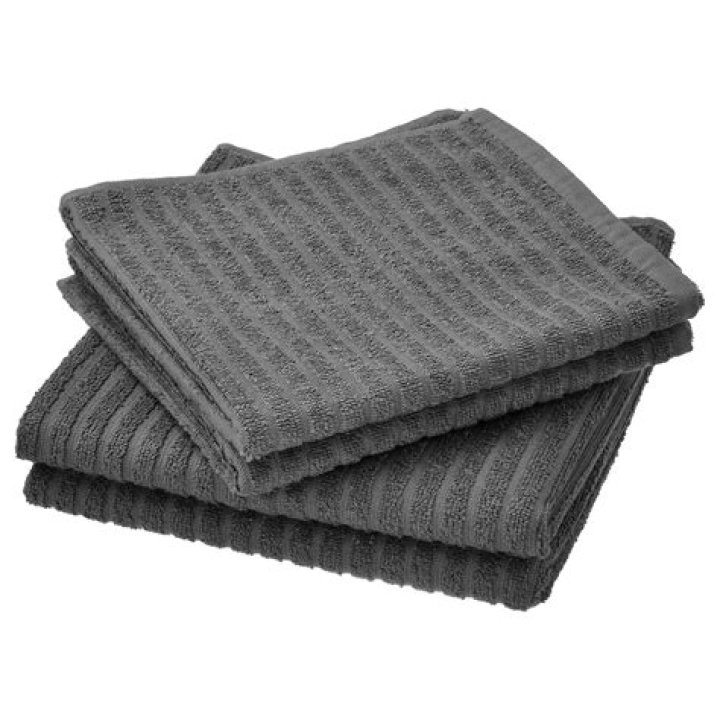
The requirements of a hand washing station include: -Hot and cold running water that is drinkable, and meets temperature and pressure requirements. -Soap in liquid, bar, or powder form. -A way to dry hands. Disposable paper towels or a continuous towel system that supplies that user with a clean towel can be used.
Why is it important to wash your hands at separate sinks?
A separate hand wash sink is designated for only hand washing practices. This is important for reducing possible hand contamination in either a three-bay sink or a mop sink.
How do you hand wash without a sink?
On a flat surface, lay out a clean, dry white bath towel that has been laundered several times to remove lint. Lay the just-washed garment on the towel, patting it into shape. Roll up the towel, encasing the garment in the towel. Gently press on the rolled-up towel to encourage water absorption.
Which three requirements should an effective handwashing station have?
Hand washing stations must be kept clean and sanitary, have potable water and soap and be maintained regularly.
What must a handwashing sink be supplied with?
Each handwashing sink shall be provided with hot and cold water tempered by means of a mixing valve or a combination faucet to provide water at a temperature of at least 100˚F.
What is one requirement for a stocked handwashing sink quizlet?
What is one requirement for a stocked handwashing sink? An object must be immersed in quat for at least how many seconds to be considered sanitized.
What items are required at a hand wash sink?
Provide the following at all hand wash sites: ▪ Soap and paper towels ▪ Hot (at least 100°F) and cold running water. A 6 inch barrier may be required (depending on location of sink) to prevent splashing and cross contamination.
Is it OK to wash hands in kitchen sink?
You want to use soap and water and scrub for at least 20 seconds. It’s always a good idea to wash your hands in a sink that’s not also used for dishes. Keeping the germs off your hands is a great start to keeping them out of your kitchen. And you’ll probably want to wash your hands more often than you think.
Is it gross to wash hands in kitchen sink?
There could be “millions of bacteria down the drain but, it’s how it gets into someone’s body and causes illness” that is the main issue, says Dr Ackerley. We often wash our hands in the kitchen sink, but “when doing that you could be making the sink dirty”, she says. The bacteria is washed into the sink and drain.
Can a food server use hand sanitizer in place of hand washing when no soap is available?
Wash your hands with soap and water when your hands are visibly soiled. Food handlers in restaurants, schools, delis and grocery stores must wash their hands with soap and water before applying hand sanitizers. [Minn Rules Chap.
Can I wash my clothes in the bathtub?
Yes, You Can Wash Clothes In The Bathtub
The bathtub is more practical than a sink because it can give plenty of warm or cold water faster and drains the dumped water more quickly. It also aids in catching drips while drying. However, it is not recommended to wash a large quantity of clothing because it is water waste.
Can you wash clothes by hand?
Handwashing is certainly effective for clothes of all kinds. It’s particularly ideal for delicates, wool, cashmere, and silk, which usually can’t (or shouldn’t) be machine-washed or dried. Handwashing can also help avoid that pricey trip to the dry cleaners.
How do you wash hand wash only clothes?
Always wash hand wash garments in cold water or on a delicate cycle. Cold water is less likely to shrink your clothing or alter the colors. The delicate cycle offers less agitation, even in machines with a central agitator. If you don’t have a delicate setting on your machine, use a short wash cycle with cold water.
Does OSHA require hot water in bathrooms?
Employers must maintain restrooms in a sanitary condition. Restrooms must provide hot and cold running water or lukewarm water, hand soap or similar cleansing agent and warm air blowers or individual hand towels (e.g., paper or cloth).
When should a healthcare professional clean their hands OSHA?
In what conditions should healthcare workers cleanse their hands? Before arriving and immediately before leaving. Before and after touching the mouth, eyes, or nose. After contracting soiled or contaminated items.
When should a healthcare professional clean their hands?
Healthcare providers should clean their hands before and after every patient contact to protect themselves as well as their patients from infections.