how many pvcs per minute are too many

Andrew Henderson
Updated on May 31, 2026
PVCs become more of a concern if they happen frequently. “If more than 10% to 15% of a person’s heartbeats in 24 hours are PVCs, that’s excessive,” Bentz said. The more PVCs occur, the more they can potentially cause a condition called cardiomyopathy (a weakened heart muscle).
What is excessive PVCs?
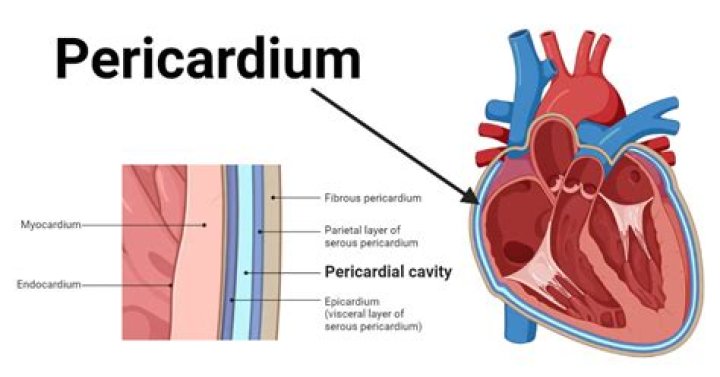
Overview. Premature ventricular contractions (PVCs) are extra heartbeats that begin in one of the heart’s two lower pumping chambers (ventricles). These extra beats disrupt the regular heart rhythm, sometimes causing a sensation of a fluttering or a skipped beat in the chest.
How many PVCs are acceptable?
Quantity of PVCs: A 24-hour-holter monitor tells us how many PVCs occur on a given day. The normal person has about 100,000 heartbeats per day (athletes a few fewer). Patients with more than 20,000 PVCs per day are at risk for developing cardiomyopathy (weak heart).
What are 4 PVCs in a row?
PVCs may occur as isolated single events or as couplets, triplets, and salvos (4-6 PVCs in a row), also called brief ventricular tachycardias. PVCs may occur early in the cycle (R-on-T phenomenon), after the T wave (as seen above), or late in the cycle – often fusing with the next QRS (fusion beat).
Is it normal to have PVCs every day?
For most people, PVCs occur infrequently and are benign. You should consult a heart specialist if you experience frequent, regular or prolonged (duration of several minutes) PVCs, or are experiencing PVCs and have a structural heart problem or heart disease or have had a heart attack.
How many PVCs per day is normal?
It’s more common when you get beyond 20,000 per day, and certainly beyond 30,000. Those are good numbers to keep in mind. The more PVCs you have per day, the more likely you are to get ventricular dysfunction.
Can you live a long life with PVCs?
In general even those with fairly frequent PVC’s who have had underlying heart disease ruled out can be reassured and likely have a good prognosis.
How much magnesium should I take for PVCs?
Adequate intracellular magnesium is essential to normal tissue and organ function. Low magnesium is associated with cardiac abnormalities, fibrillation, and vascular and muscle spasms, and is seen in cardiac failure. Dosage: A recommended goal is a minimum 600 mg/day, preferably 800 mg.
What is 3 PVCs in a row called?
Two consecutive PVCs are termed doublets while three consecutive PVCs are named triplets. It is important to note that three or more consecutive PVCs are classified as ventricular tachycardia. If the PVCs continuously alternate with a regular sinus beat, the patient is in bigeminy.
What percentage of PVCs is normal?
1). PVCs are common with an estimated prevalence of 1% to 4% in the general population on standard 12-lead electrocardiography and between 40% and 75% of subjects on 24- to 48-hour Holter monitoring [1,2].
When should you go to the hospital for PVCs?
A few cues for you to call 911 and seek medical help right away are if your heart palpitations last a few minutes or longer, if your symptoms are new or get worse, or if they happen alongside other symptoms such as: Pain, pressure, or tightness in your chest.
What is the most common cause of PVCs?
Heart disease or scarring that interferes with the heart’s normal electrical impulses can cause PVCs. Certain medications, alcohol, stress, exercise, caffeine or low blood oxygen, which is caused by chronic obstructive pulmonary disease (COPD) or pneumonia, can also trigger them.
How do you stop PVCs at night?
You can lower your risk of heart palpitations at night by eating right, avoiding alcohol and nicotine, and staying away from caffeine before bed. Try yoga and meditation to reduce stress and help you relax. Get help right away if heart palpitations happen along with chest pain, dizziness or shortness of breath.
Can PVC cause sudden death?
A premature ventricular complex (PVC) is an early depolarization of ventricular myocardium. PVCs are common findings on electrocardiography (ECG) in the general population and are associated with structural heart disease and increased risk of sudden cardiac death.
What foods trigger PVCs?
Foods that can cause heart palpitations
Caffeinated food and drinks.Sugar. Sugar can cause palpitations after eating, especially if you have hypoglycemia.Alcohol. Alcohol can also cause heart palpitations. Tyramine-rich food. Theobromine-rich food. Dietary supplements. Acid reflux. Hormonal changes.
Does anxiety cause PVCs?
If your heart feels out of rhythm or “flutters,” especially when you have a lot of anxiety, it could be caused by premature ventricular contractions, or PVCs. They’re the most common reason for arrhythmia, or an irregular heart rhythm. Some of the other names for PVCs are: Premature ventricular complexes.
Can exercise help PVCs?
Many patients experience PVCs or palpitations before and after exercise, but not during exercise. When most patients start to exercise, their own heart rate rises and the PVCs or other extra beats disappear at higher heart rates.
What is the drug of choice for PVCs?
Nondihydropyridine calcium channel blockers are particularly effective for PVC suppression in patients without structural heart disease and considered to be the “drugs of choice” in treating fascicular PVCs, Dr Cantillon said. Agents include verapamil and diltiazem.