filberts vs hazelnuts

Sarah Scott
Updated on May 31, 2026
Who Came Up With Filberts. In some regions, hazelnuts were called filberts because of the hairy, bearded husks that cover their shells. In Germany — where hazelnut trees are commonly cultivated — the word “Vollbart” means “full beard.” Another explanation is that filberts are named for the French monk St.
What are filberts also known as?
hazelnut, (genus Corylus), also called filbert, cobnut, or hazel, genus of about 15 species of shrubs and trees in the birch family (Betulaceae) and the edible nuts they produce. The plants are native to the north temperate zone.
What are hazelnuts called in England?
In the United Kingdom and Ireland, hazelnuts are sometimes referred to as cobnuts, for which a specific cultivated variety – Kent cobnuts – is the main variety cultivated in fields known as plats, hand-picked, and eaten green.
Are filbert nuts good for you?
In addition to their omega-3 content, hazelnuts are also packed with antioxidants that protect the body from oxidative stress that can contribute to hypertension. They contain high amounts of phenolic compounds, which help your heart stay healthy by reducing cholesterol and inflammation.
What does filbert mean in Cockney?
Filbert was old British slang for the head.
Where do they say filbert?
Oregon exports half its crop to Europe and Asia. The Hazelnut Industry Office in Aurora, Ore., says “filbert” is the correct name for the tree. The Oregon Filbert Commission decided in 1981 to emphasize calling the fruit “hazelnut,” and the Oregon Legislature named it the official state nut, by either name, in 1989.
What does a filbert taste like?
What Hazelnuts Taste Like. Hazelnuts are sweet with characteristic slight notes of musty and earthy. One of the significant flavor mixtures found in hazelnuts is fiber tone. Filbertone is a naturally occurring ketone found in hazelnut oil.
What’s a filbert look like?
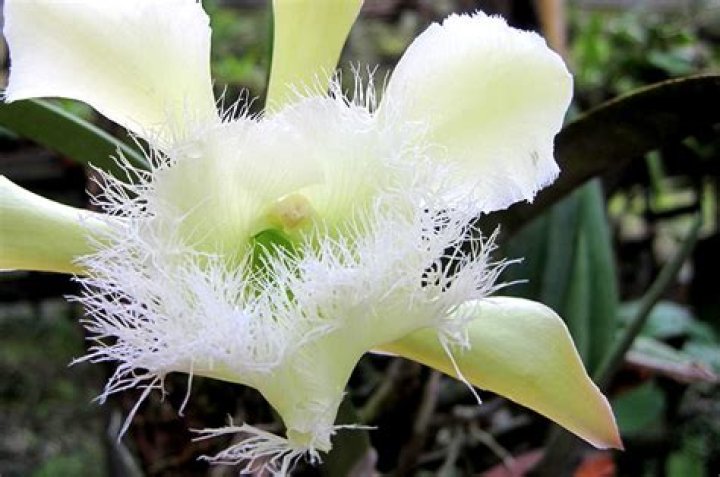
Hazelnuts and filberts grow on two different species of trees. However, they are similar enough that interchangeable use of the words is generally accepted by most people. A filbert nut is a round-shaped, medium-size nut. It has a smooth, hard woody shell that is a beautiful golden-brown color.
Is hazelnut in Nutella?
The hazelnut has always been the signature ingredient of Nutella®. It was during the post-war period that the creator of Nutella® had the brilliant idea to combine the delicious hazelnut, typical of the Italian region of Langhe, with cocoa, an ingredient that was hard to obtain at that time due to World War II.
Are filberts and Brazil nuts the same thing?
Hazelnuts are small, round coppery-colored with a pale crown and a cousin of the filbert, usually sold ground into a powder for breads and pastries. Brazil nuts are large, curved nuts in a pebbled rough brown shell.
What is the meaning of the word filbert?
Definition of filbert
1 : either of two Eurasian hazels (Corylus avellana and C. maxima) 2 : the sweet thick-shelled nut of the filbert broadly : hazelnut.
Are cobnuts and hazelnuts the same?
A cobnut is what we call a cultivated hazelnut. There are many varieties of cultivated hazelnut, just as there are many kinds of apple. Cobnuts are delicious when eaten raw, like other nuts; some people like to eat them with a little salt.
What is filbert cream?
Cream Filberts – A 1700s Favorite
First made in the 1700s, this elegant candy was originally called the “cream filbert.” Simply a filbert covered with creamed sugar and a crisp sugar shell. The texture is as tempting as the taste. A true luxury made using traditional ingredients of the late 1700s.
What is hazelnut called in Kerala?
IPA: heɪzəlnʌtMalayalam: ഹേജല്നട / ഹൈജല്നട
What is hazelnut called in Pakistan?
Stylowi.pl – Odkrywaj, kolekcjonuj, kupuj.
What does bubble mean in Cockney?
(Cockney rhyming slang) A laugh.
What is Jack and Danny slang for?
“Jack and Dani means something in Cockney rhyming slang….. Fanny. It means fanny.” GIVE HIM FIFTY GRAND IMMEDIATELY #loveisland. — Sophie Levin (@sophielevin11) June 4, 2018.
Why is 500 a monkey?
The term was coined by British soldiers returning from India where the 500 rupee note of that era had a picture of a monkey on it. They used the term monkey for 500 rupees and on returning to England the saying was converted to sterling to mean £500.